The recent spell of dry weather across Scotland and the rest of the UK, accompanied by periods of high temperatures, has brought water scarcity into sharp focus. However, water scarcity is not limited to hot weather and can occur at any time of year during periods of low rainfall. While periods of low rainfall are nothing new, climate projections suggest they are likely to become more frequent, longer lasting and more severe, placing increasing pressure on water resources, businesses and the natural environment.
CREW has been commissioning research to help Scotland prepare for these changing conditions, bringing together evidence to inform policy while developing practical guidance for those most affected.
One CREW project examined how future water scarcity could affect Scotland's agricultural and distilling sectors. The research found that, by 2050, the frequency and duration of surface water droughts could almost double in some catchments, highlighting the need to move from reacting to water shortages towards long-term adaptation. The project also identified opportunities to improve monitoring, strengthen groundwater resilience and support more coordinated water management across sectors.
Building on this evidence, CREW recently published Planning for Water Scarcity: Practical guidance for Scottish farmers and growers. The guidance provides practical tools to help farmers and growers understand their exposure to water scarcity, improve water-use efficiency and consider options such as water storage and alternative supplies. It includes a step-by-step farm drought risk assessment, weather resilience planning tools and real-world case studies to support decision making.
The guidance also emphasises that preparing for water scarcity is not only about protecting agricultural businesses. More efficient water use also helps safeguard rivers, freshwater habitats and biodiversity by reducing pressure on the water environment during periods of low flow.
CREW is continuing to build the evidence base needed for future policy. A new project, currently underway, is reviewing the ecological impacts of prolonged hydrological drought and intermittent flow recovery on Scotland's rivers. The findings will help to better understand the level of environmental protection offered across different river types, supporting future updates to Scotland's National Water Scarcity Plan. Alongside this, another new CREW project will assess future socio-economic demands on Scotland's water resources, identifying where future pressures may emerge and helping to support evidence-based water resource planning in a changing climate.
As Scotland experiences more frequent periods of water scarcity, research such as this plays a key role in helping ensure that policy, regulation and practical action evolve together to support resilient communities, sustainable businesses and healthy freshwater ecosystems.
CREW would like to thank the research teams (The James Hutton Institute, University of Aberdeen, BGS, SRUC, SAC consulting, SAOS, University of the Highlands and Islands, Buglife, Edinburgh Napier, University of Stirling, Nottingham Trent University, Waterside Ecology and University of Strathclyde), the Project Steering Group (SEPA, Scottish Canals, Scottish Water, NFUS, NatureScot, WICS, Environment Agency and The Scottish Government) and CREW project manager, Rebekah Burman, for their dedication and support to the projects and in addressing this important issue.
Find out more about CREW’s water scarcity projects and access the project outputs below:
- Future Predictions of Water Scarcity in Scotland: Impacts to Distilleries and Agricultural Abstractors
- Planning for Water Scarcity: Practical guidance for Scottish farmers and growers
- Review of the impacts of short- and long-term hydrological drought, including intermittent flow recovery, on freshwater ecology in Scotland
- Assessing Future Socio-Economic Water Demand in Scotland: Drivers and Patterns
Keep up to date with current water scarcity levels across Scotland through the following SEPA link: Water scarcity | Beta | SEPA | Scottish Environment Protection Agency
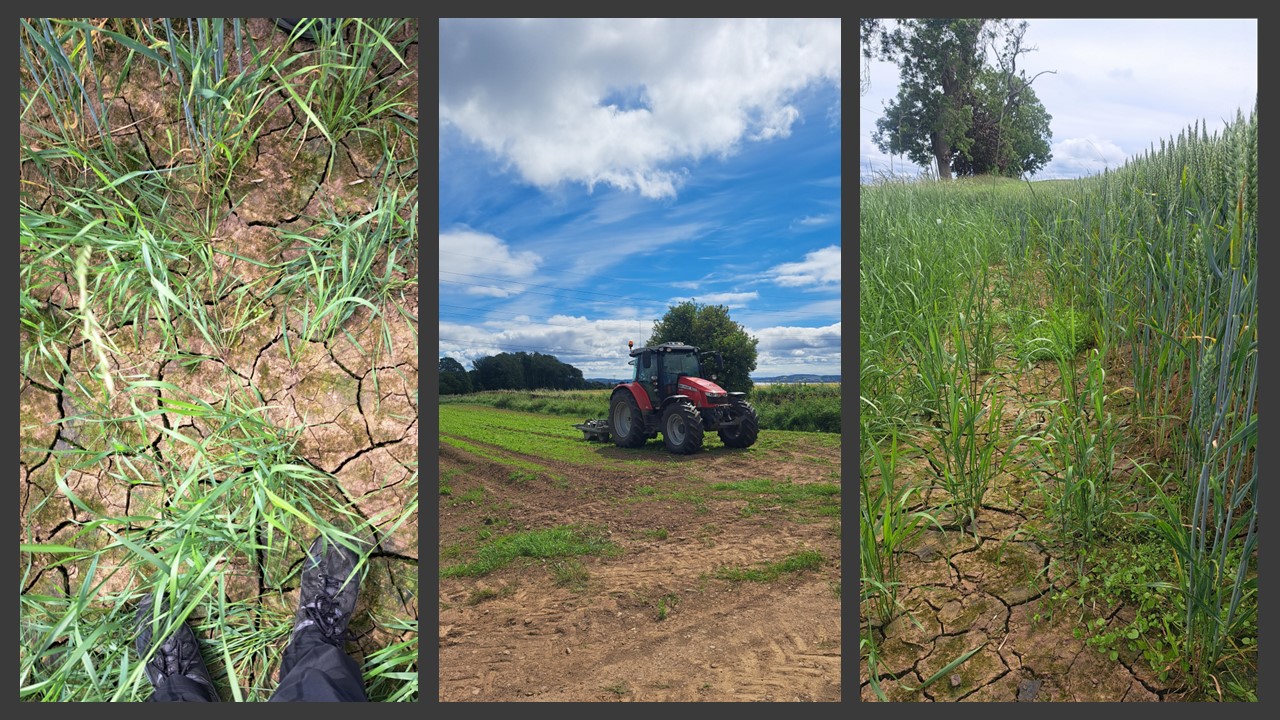
Photo credit: Rebekah Burman
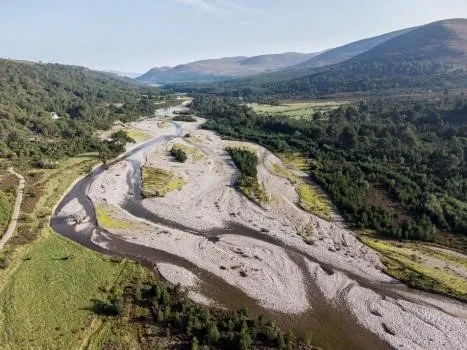
Main image: River Feshie. Photo credit: Paul Glendell.
News article: Amy Cooper