Land and Water Resource Management

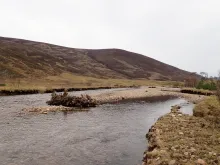
CRW2025_09 The use of large wood structures in river restoration in Scotland

Type of project: Capacity Building Project

Overview: CREW invites proposals for a c.6 month Capacity Building project develop an interim decision-support framework to inform decision-making about using Large Wood Structures (LWS) in river restoration projects in different environmental settings.

Budget: Funding available is £97,000 exclusive of VAT (where applicable).

Deadline to apply: Thursday 18th June, 15:00

Natural Capital and River Basin Management Planning - Protecting and Improving Scotland’s Water Environment

Scotland is globally renowned for its natural resources like clean rivers, rich wildlife, heather moorlands and fresh air. Protecting, enhancing and restoring these resources provides us with many benefits and is essential to safeguard our future environment, wellbeing and the economy.  River Basin Management Planning (RBMP) provides a framework to reduce pressures on Scotland’s water environment and protect and enhance the benefits that our rivers, lochs, wetlands and groundwaters provide. 

CRW2025_06 Source-to-sea risk and prioritisation – evidence and methods review

Type of project: Capacity Building Project

Overview: CREW invites proposals for a c.9.5-month Capacity Building project to deliver an evidence synthesis and review, a gap analysis, and a methodological review focused on land- and freshwater-based sources of pressures relevant to the sensitivities of key assets in marine and estuarine waters.

Budget: Funding available £90,000 exclusive of VAT (where applicable).

Workshop insights for Scotland’s transition to greater surface water reuse

Scotland’s critical water infrastructure faces growing pressure from urban expansion and rising water demands compounded by climate change. These challenges highlight the urgent need to strengthen the resilience of our water resources. Learning from diverse perspectives and practical examples is essential as Scotland moves from traditional surface water collection and treatment systems toward greater surface water reuse. 

CREW News Autumn 2025


Welcome to the autumn edition of our quarterly newsletter, CREW NEWS! In this edition we are shining a spotlight on how we embed impact in our work, highlighting recent events, seminars and publications, and hearing from our Project Manager, Rebekah Burman.

We'd love to hear what you'd be interested in reading in future issues of CREW NEWS. 

Scottish One Health AMR Register (SOHAR): Updated research insights

Antimicrobial resistance (AMR) occurs when bacteria, viruses, fungi or other microbes change in ways that stop medicines, like antibiotics, from working properly. This makes infections harder to treat and increases the risk of them spreading, lasting longer, or becoming more serious. The Scottish One Health AMR Register (SOHAR) brings together AMR-related research involving Scottish researchers and organisations. It shows how Scotland is contributing to national efforts and helps identify where more work is needed.

CREW News Summer 2025

Welcome to the summer edition of our quarterly newsletter, CREW NEWS! In this edition we are shining a spotlight on some of our recently published projects, highlighting a successful project workshop and hearing from our Director, Rachel Helliwell.

We'd love to hear what you'd be interested in reading in future issues of CREW NEWS. 

Restoring River Woodlands for Healthier Rivers and Resilient Communities

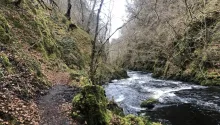
Restoring river woodlands, trees and forests alongside rivers, streams and lochs, is gaining momentum across Scotland. These habitats are vital for improving water quality, reducing flood and drought risks, supporting biodiversity, and boosting community wellbeing. Yet over half of Scotland’s riverbanks are in poor condition, and efforts to restore them still face major challenges.

Prioritising research and development gap opportunities for river woodlands

River woodlands (RW) play a crucial role in protecting river ecosystems, for example by reducing flooding, storing carbon, filtering pollution, and benefiting local communities. However, nearly 55% of surveyed riverbank in Scotland show poor RW health. This highlights a need for RW restoration. While RW initiatives like Riverwoods are gaining traction, scaling them up remains challenging. In 2022, Riverwoods conducted a review of existing research on RW benefits, identifying 60 key knowledge gaps.