What Comes Next for Flood Resilience? Reflections from Flood Resilience 2026
Type of project: Capacity Building Project
Overview: CREW invites proposals for a c.9.5-month Capacity Building project to deliver an evidence synthesis and review, a gap analysis, and a methodological review focused on land- and freshwater-based sources of pressures relevant to the sensitivities of key assets in marine and estuarine waters.
Budget: Funding available £90,000 exclusive of VAT (where applicable).
Type of project: Capacity Building Project
Overview: CREW invites proposals for a c.9.5-month Capacity Building project to evaluate the impacts of hydrological drought and intermittent flow recovery on freshwater biota in Scottish river systems, and to assess whether current water scarcity policy provides adequate and practical environmental protection across different river typologies.
Call closed
Welcome to the autumn edition of our quarterly newsletter, CREW NEWS! In this edition we are shining a spotlight on how we embed impact in our work, highlighting recent events, seminars and publications, and hearing from our Project Manager, Rebekah Burman.
We'd love to hear what you'd be interested in reading in future issues of CREW NEWS.
CREW Code: CRW2025_02
Theme: Hydrological Extremes, Coasts and Risk Management
Project status: Project complete. Click here to visit the publication page to view the project outputs.
Type of project: Capacity Building Project
CREW Code: CRW2025_01
Theme: Hydrological Extremes, Coasts and Risk Management
Project status: Project complete. Click here to visit the publication page to view the project outputs.
Type of project: Capacity Building Project
Lead research team: GCU
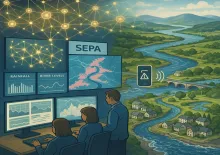
Flooding is a growing concern in Scotland with climate change increasing the risk and frequency of extreme events. In Scotland, the Scottish Environment Protection Agency (SEPA) is the body responsible for flood forecasting. Accurate flood forecasting plays a vital role in helping communities prepare, respond, and stay safe.
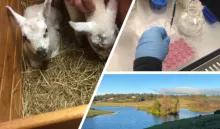
Antimicrobial resistance (AMR) occurs when bacteria, viruses, fungi or other microbes change in ways that stop medicines, like antibiotics, from working properly. This makes infections harder to treat and increases the risk of them spreading, lasting longer, or becoming more serious. The Scottish One Health AMR Register (SOHAR) brings together AMR-related research involving Scottish researchers and organisations. It shows how Scotland is contributing to national efforts and helps identify where more work is needed.
Welcome to the summer edition of our quarterly newsletter, CREW NEWS! In this edition we are shining a spotlight on some of our recently published projects, highlighting a successful project workshop and hearing from our Director, Rachel Helliwell.
We'd love to hear what you'd be interested in reading in future issues of CREW NEWS.
A recently published project funded by the Centre of Expertise for Waters (CREW) has shown that Scotland’s coastal habitats, such as kelp forests and seagrass beds, could play a bigger role in protecting communities from flooding and erosion.