Land and Water Resource Management

The impact of shadow flicker or pulsating shadow effect, caused by wind turbine blades, on Atlantic salmon (Salmo salar)
As the need for onshore wind energy expands, such climate adaptation measures may have unintended and potentially significant influences on how fish respond when situated next to rivers or streams. The aim of this project was to examine evidence of potential impacts of shadow flicker, from wind turbine blades, on Atlantic salmon in the context of species conservation management and climate mitigation strategy in Scotland.
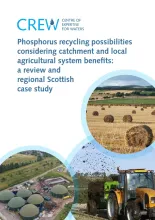
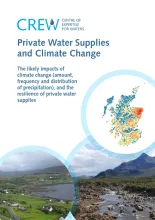
Phosphorus recycling possibilities considering catchment and local agricultural system benefits: a review and regional Scottish case study

This project was developed to downscale aspects of Scotland’s country-scale phosphorus (P) mass balance by looking at potential for regional recycling. The research firstly examined the background context of P sustainability in terms of recycled P sources, usage opportunities and constraints via a literature review.

A review of techniques for the monitoring of fine sediments: discussion document to inform workshop

Fine sediments (particles <2mm) in rivers and streams generally result from land management activities such as forestry, agriculture or development. Their ecological effects can be highly damaging (Owenes et al., 2005). In suspension, fine particles interfere with biological processes (e.g. reduced sunlight penetration impairs plant growth) and behaviours (e.g. restricting the ability to find prey). When deposited, fine sediments can smother the riverbed and restrict the infiltration of oxygen-rich free-flowing water.

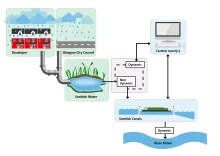
The North Glasgow Integrated Water Management System: A review

The Metropolitan Glasgow Strategic Drainage Partnership is made up of Scottish Water, Glasgow City Council, Scottish Canals, South Lanarkshire Council, Clyde Gateway, Scottish Enterprise, Renfrewshire Council, East Dunbartonshire Council and the Scottish Environment Protection Agency (SEPA) and represents an innovative approach to water management which meets the objectives of the Hydro Nation Agenda. Since its inception the partnership has sought innovative ways to manage urban water systems that are ultimately sustainable and support the continued growth of Glasgow.